10 Expert Spider Solitaire Strategies to Win More Games
February 4, 2026
Written By SolitaireStreak
Spider Solitaire is a strategic and often lengthy game, especially in multi-suit versions. The goal is simple: build same-suit sequences from King down to Ace in the tableau, move them to the foundation piles, and complete all eight foundations to win. Consistent success, however, depends on understanding and applying effective Spider Solitaire strategies.
We’ve broken down 10 Spider Solitaire strategies by experience level. If you’re playing 1-Suit Spider Solitaire, the beginner strategies are a good place to start, while more experienced players can jump to the intermediate or advanced strategies.
The best way to apply these strategies is through hands-on practice. Playing Spider Solitaire online lets you sharpen your skills and build winning habits.
Beginner Spider Solitaire Strategies: Start With the Basics
Start with these fundamental strategies to learn the basics and improve card visibility. Mastering them now will set you up for success with more advanced moves later on.
1. Prioritize Revealing Facedown Cards
Facedown cards limit your strategic options and hide crucial information about potential sequences. The more cards you reveal, the more possible moves you discover and the better you can plan ahead. This principle becomes even more critical in 2-Suit and 4-Suit games where mixed sequences are sometimes unavoidable.
When to use this strategy: You typically want to prioritize moves that reveal hidden cards over moves that only rearrange visible cards. Even if revealing a card requires building a mixed-suit sequence, the information gained from a face-up card usually outweighs the temporary inconvenience.
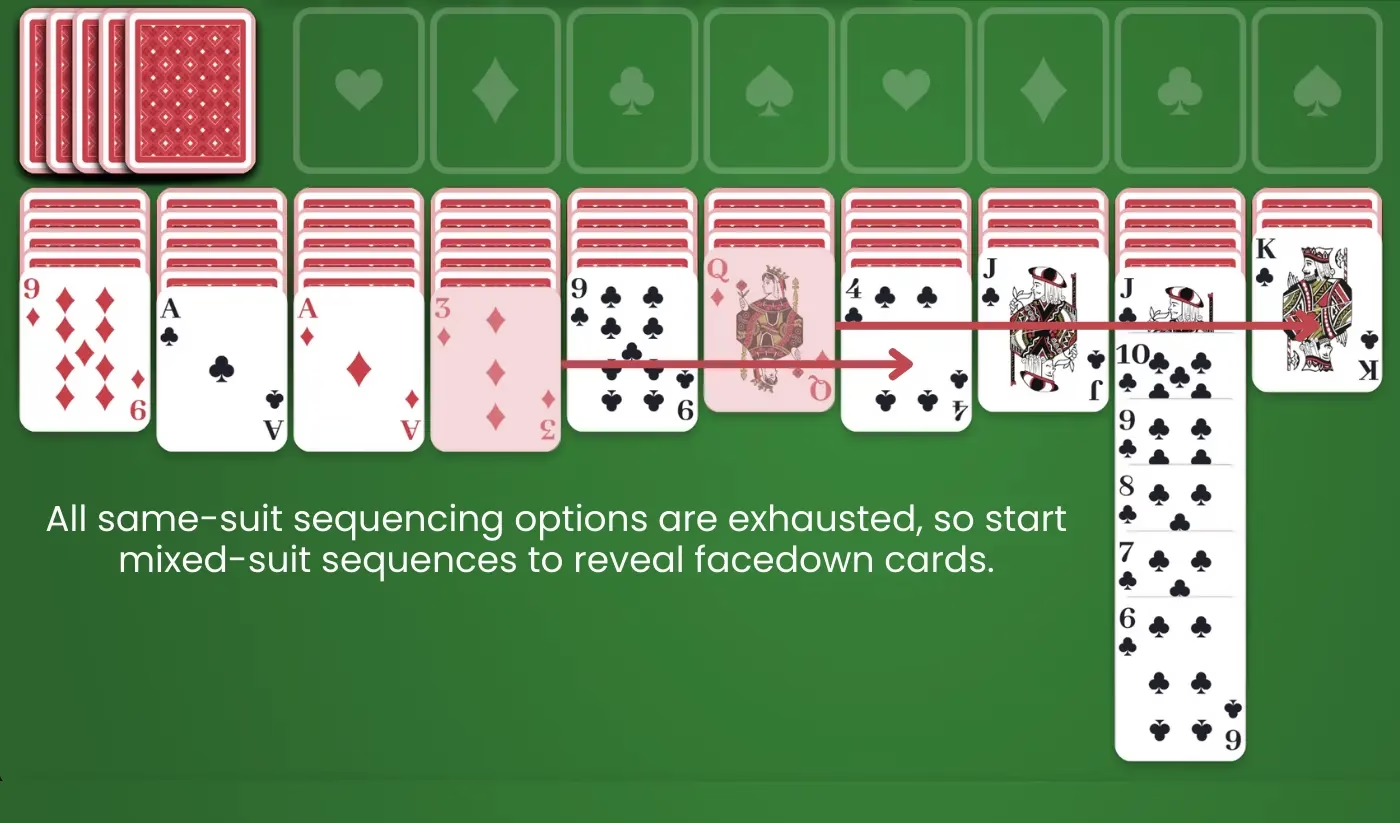
Example: All same-suit sequencing options are exhausted. However, before using the stockpile continue to reveal facedown cards by moving the Q♦ to the K♣ and the 3♦ to the 4♣, playing the cards underneath if you can. Continue to reveal facedown cards until no more moves are available.
2. Create and Preserve Empty Columns
Empty columns provide flexibility for card placement and sequence manipulation. Any card or same-suit sequence can be placed in an empty column, making them invaluable for complex rearrangements. More importantly, empty columns allow you to separate mixed-suit sequences and reorganize your tableau when you’ve built yourself into a corner.
When to use this strategy: Create empty columns when you can do so without sacrificing better moves, and preserve them for situations where you need to untangle complex mixed sequences or temporarily store cards during multi-step moves.
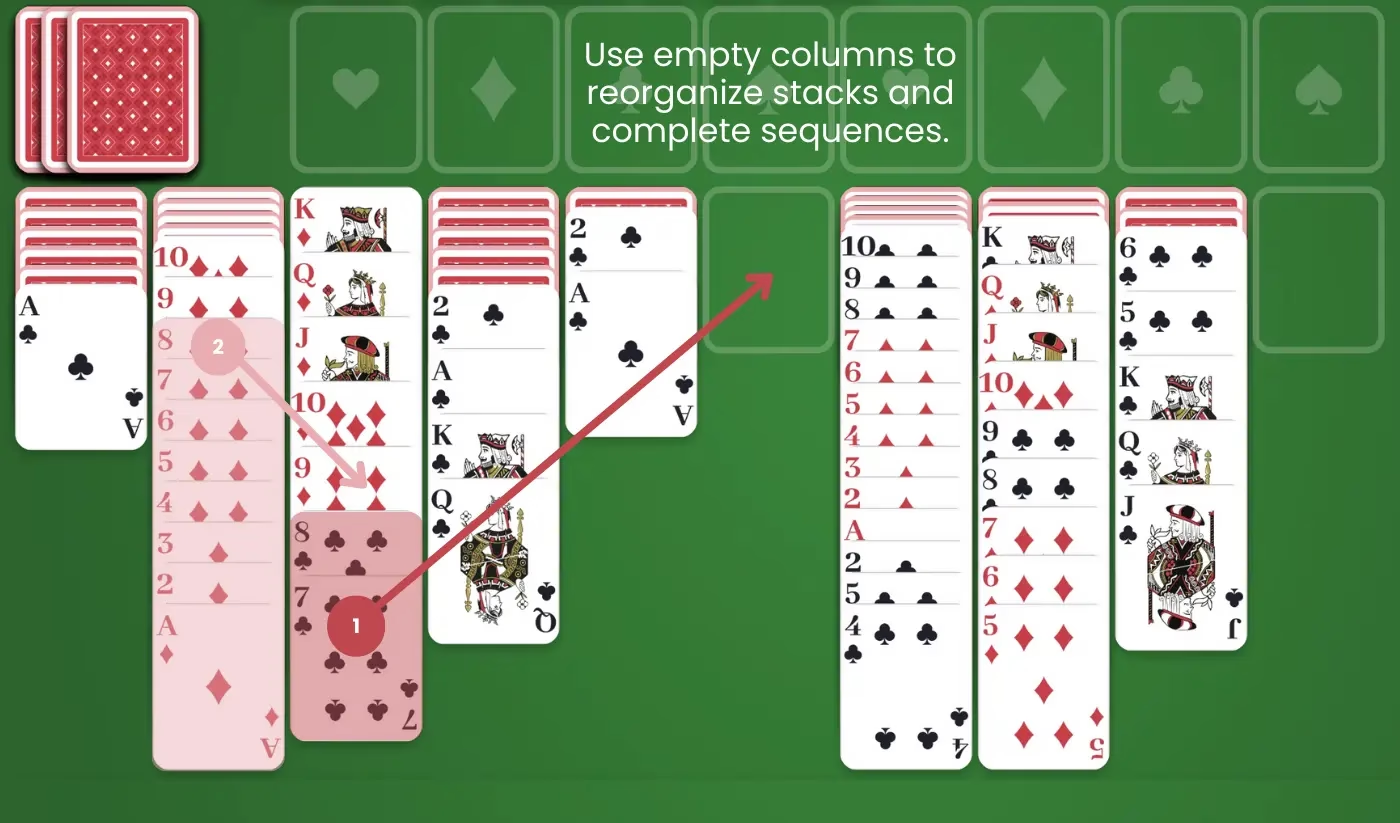
Example: You can move the 8♣-7♣ to the empty column and complete the K♦-Q♦-J♦-10♦-9♦-8♦-7♦-6♦-5♦-4♦-3♦-2♦-A♦ sequence. This creates another empty column, which you can move the K♣-Q♣-J♣ to, allowing you to move the 6♣-5♣ onto the 7♣. Continue to leverage the empty columns to organize the tableau and uncover new cards.
3. Think Multiple Moves Ahead
Try to plan moves that lead to additional card placements or uncovered cards. When a single move creates several new options, it can quickly open up the board and turn a tough situation around.
When to use this strategy: Before making any move, scan the tableau for cards that become available after your move and weigh all your options. Plan two or three moves ahead whenever possible.
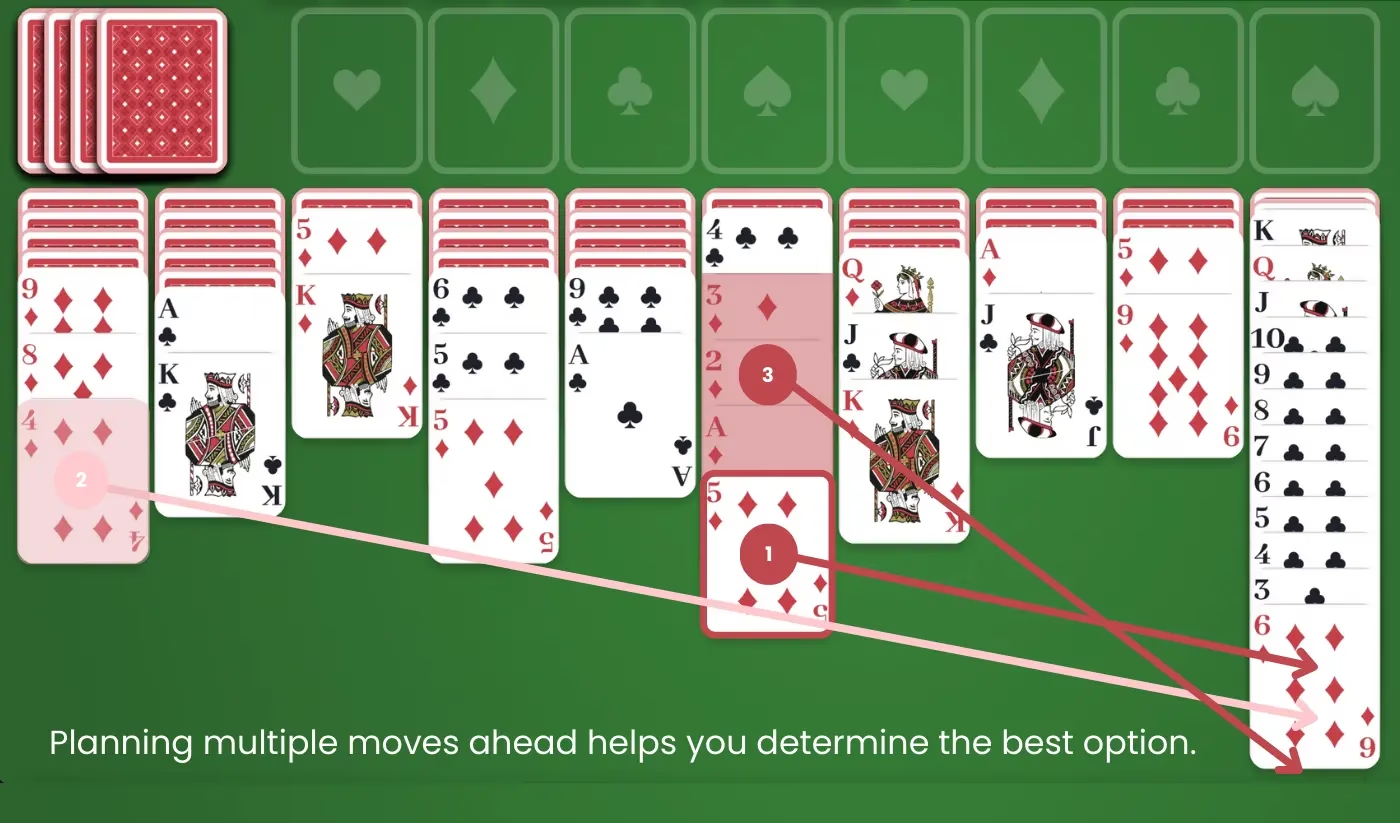
Example: There are two 5♦’s available to move onto the 6♦. Moving the 5♦ in Column 6 will reveal the 3♦-2♦-A♦ sequence, allowing you to build a 6♦ to A♦ sequence with the 4♦ from Column 1.
4. Only Use the Stockpile When You’re Stuck
The stockpile deals five new cards—one to the end of each column—when you click it. You can only draw from the stockpile five times per game, and every card it places can potentially block access to cards beneath it. Additionally, you must have at least one card in every column before drawing from the stock.
When to use this strategy: In 1-Suit Spider Solitaire, exhaust every possible tableau move before drawing stock cards. When playing multi-suit versions, weigh the pros and cons of creating mixed-suit sequences before drawing from the stockpile.
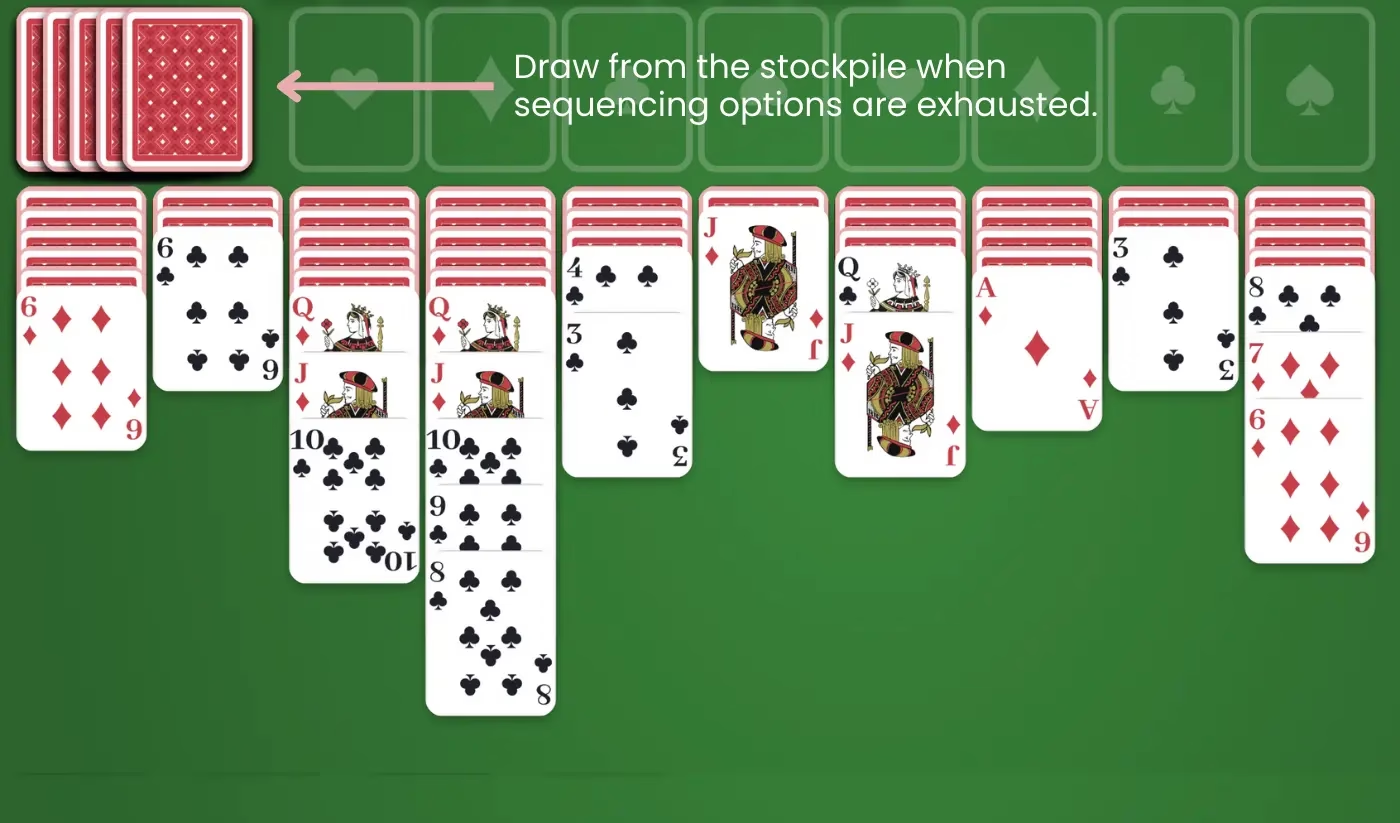
Example: All same and mixed-suit sequencing options have been exhausted in the tableau, so it’s time to draw from the stockpile to further gameplay.
Intermediate Strategies: Level Up Your Thinking
These strategies focus on efficiency and making easily reversible choices that maintain your options while advancing your position.
5. Build Same-Suit Sequences Before Mixed Sequences
In 1-Suit games, every sequence is naturally the same-suit, but in 2-Suit and 4-Suit games, this distinction becomes critical. Same-suit sequences of cards can be moved as complete units, giving you tremendous flexibility in rearranging the tableau. Mixed sequences lock cards in place until you separate them, often requiring empty columns or complex moves to untangle.
However, mixed sequences aren’t always mistakes. They’re acceptable when they reveal facedown cards, free up cards you need for same-suit building, or serve as temporary placeholders while you develop better sequences elsewhere.
When to use this strategy: Build same-suit sequences whenever possible. Create mixed sequences only when they serve a specific purpose, not just because the cards happen to fit.
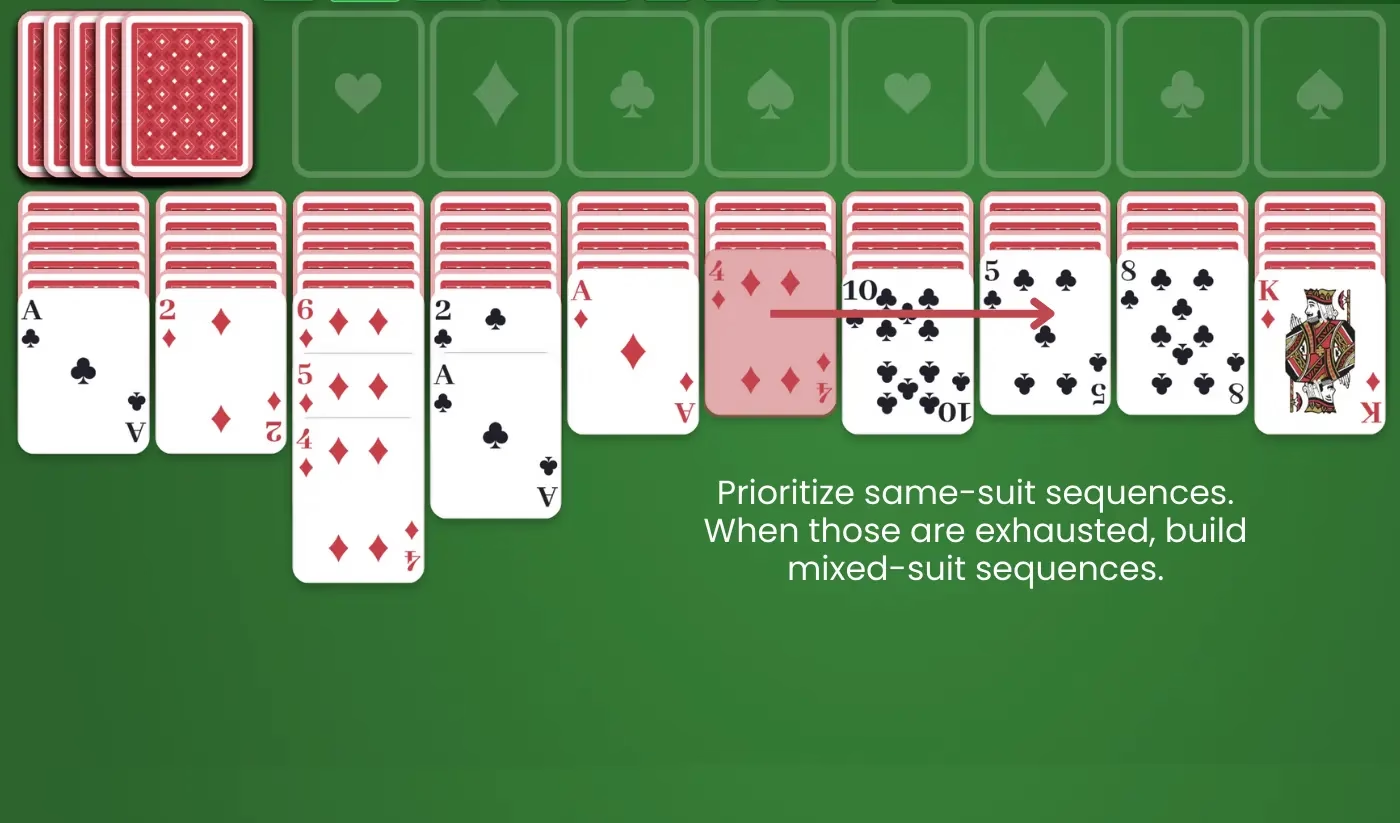
Example: All same-suit sequencing options are exhausted on the tableau, but you can still build mixed-suit sequences to uncover facedown cards. Moving the 4♦ to the 5♣ reveals a 3♦, allowing you to move the 3♦, 2♦, and A♦ on the 4♦ and reveal additional playable cards.
6. Start Mixed-Suit Sequences on High Ranks
When you need to build mixed-suit sequences, start them on higher-ranking cards to give yourself more room to build. Mixed-suit columns can serve as temporary placeholders while you work on same-suit sequences elsewhere, but the longer they grow, the harder they are to undo. Always consider how you’ll break them apart later in the game.
When to use this strategy: Build mixed-suit sequences on high ranks when you need to reveal facedown cards or free specific cards for same-suit building.
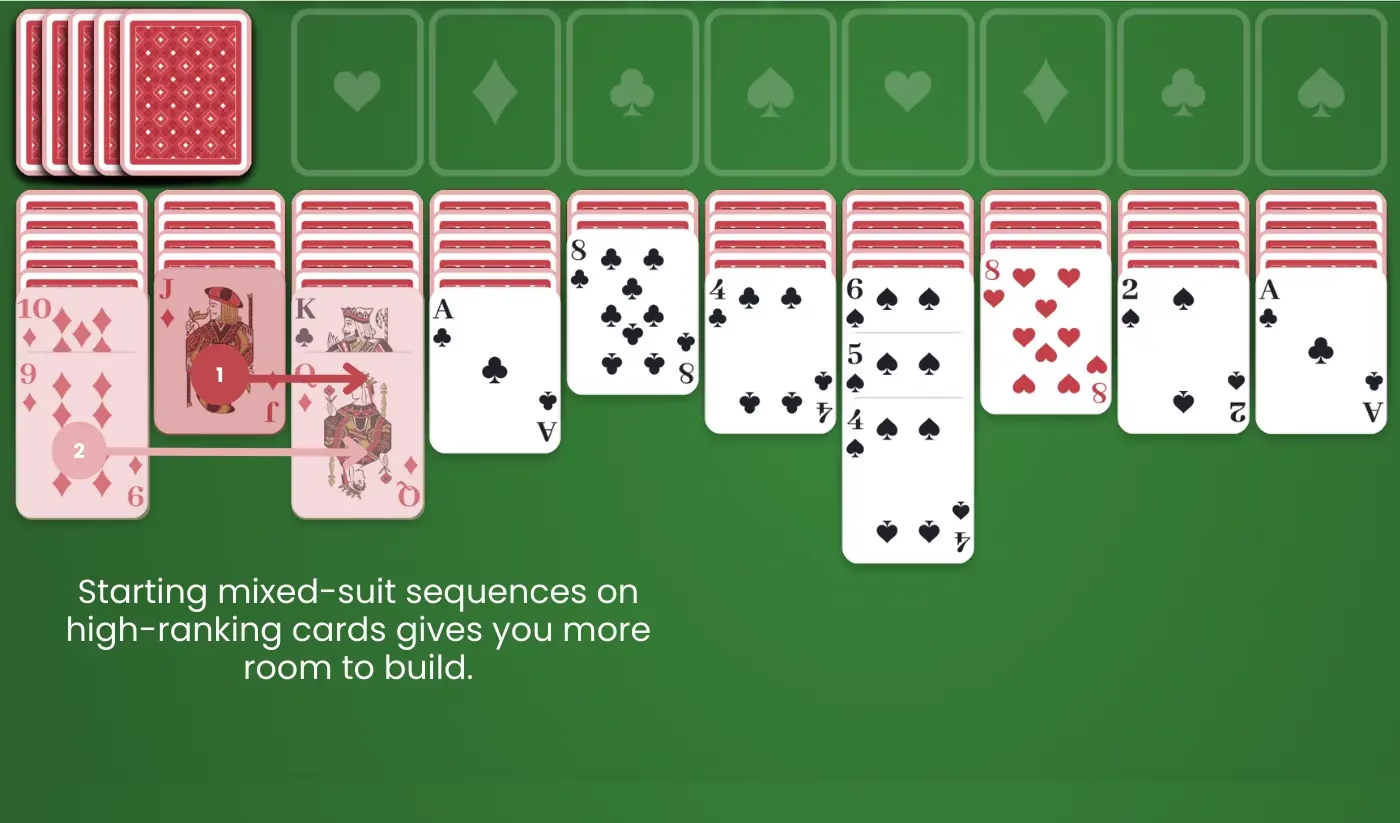
Example: After all same-suit sequencing options were exhausted, the Q♦ was moved to the K♣ to uncover the card below it and set up a column for longer sequencing. This revealed the J♦, allowing you to continue the Q♦-J♦-10♦-9♦ same-suit sequence and uncover additional cards to put into play.
7. Leverage Empty Columns for Complex Moves
Empty columns become powerful tools for complex rearrangements beyond simple King placement. Use them as temporary storage during multi-step moves, allowing you to dismantle mixed sequences, access buried cards, and rebuild your tableau more efficiently. Emptying multiple columns provides even greater flexibility for advanced maneuvers.
When to use this strategy: Use empty columns for temporary storage when you need to access cards buried in mixed sequences or when coordinating complex moves that require multiple steps to complete.
Example: The tableau consists of multiple almost-finished sequences, but Column 8 and Column 9 have long, mixed-suit sequences that need to be untangled. Two empty columns allow you to send a sequence to its foundation and rearrange the tableau into same-suit sequences.
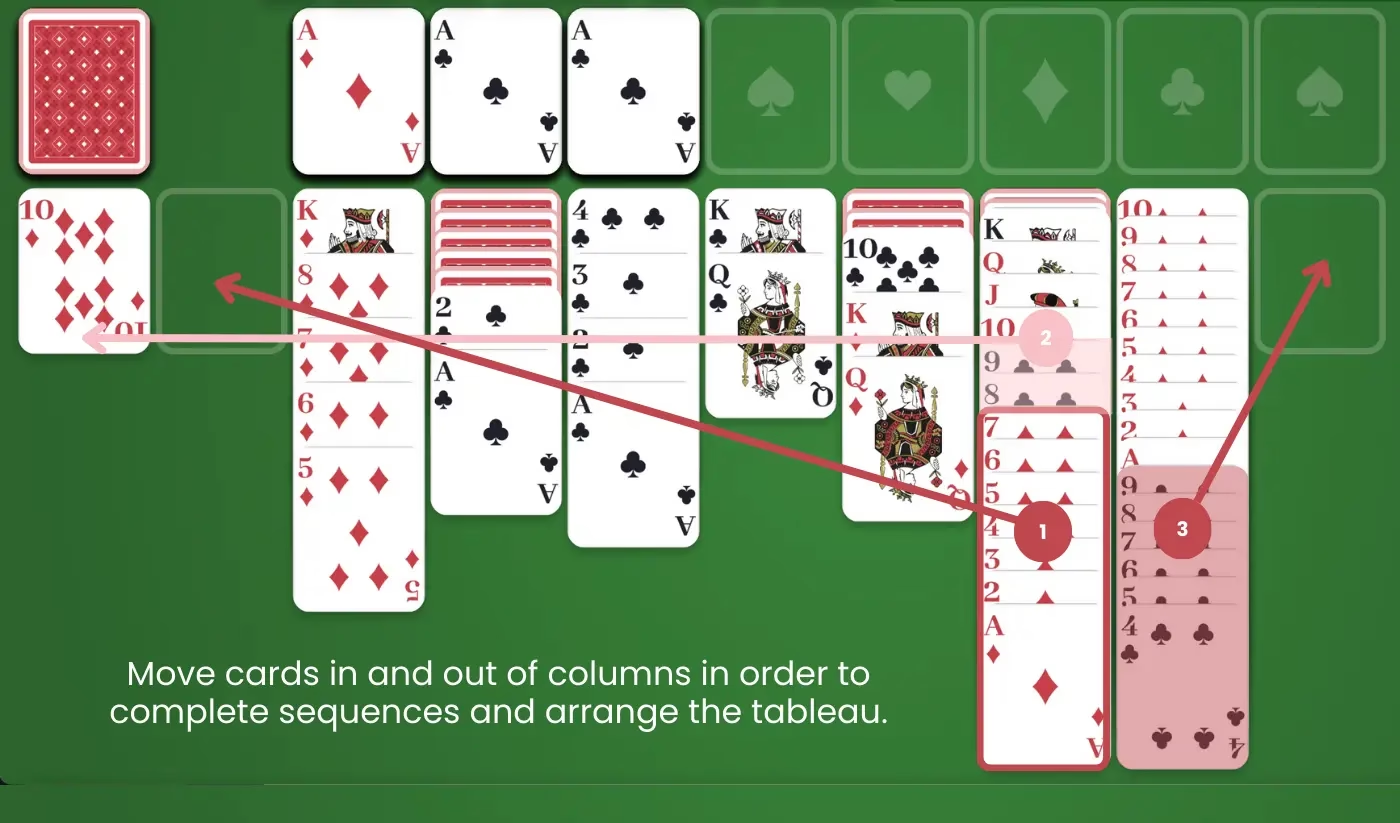
Move the 7♦-6♦-5♦-4♦-3♦-2♦-A♦ sequence to an empty column and the 9♣-8♣ onto the 10♦. Then you can move the 9♣-8♣-7♣-6♣-5♣4♣ sequence into the empty column and complete the King to Ace diamond sequence. You can continue using the empty columns to rearrange the tableau until you have only two facedown cards left.
8. Manage Suit Mixing Strategically
Columns with heavy suit mixing become exponentially harder to resolve, especially as incompatible cards stack up. Different suits restrict sequencing options and often force extra future moves, costing you flexibility and empty columns. Limit how much suit mixing you allow in any stack, keep incompatible cards easy to access, and only deepen mixed stacks when you have a clear plan for sorting them out.
When to use this strategy: In 2-Suit Spider Solitaire, avoid mixing suits more than three to four times in a column so that you can easily reorder your cards. In 4-Suit Spider Solitaire, long mixed suits are unavoidable, but make sure to monitor column depth throughout the game and avoid creating towers of mixed cards that will be impossible to deconstruct.
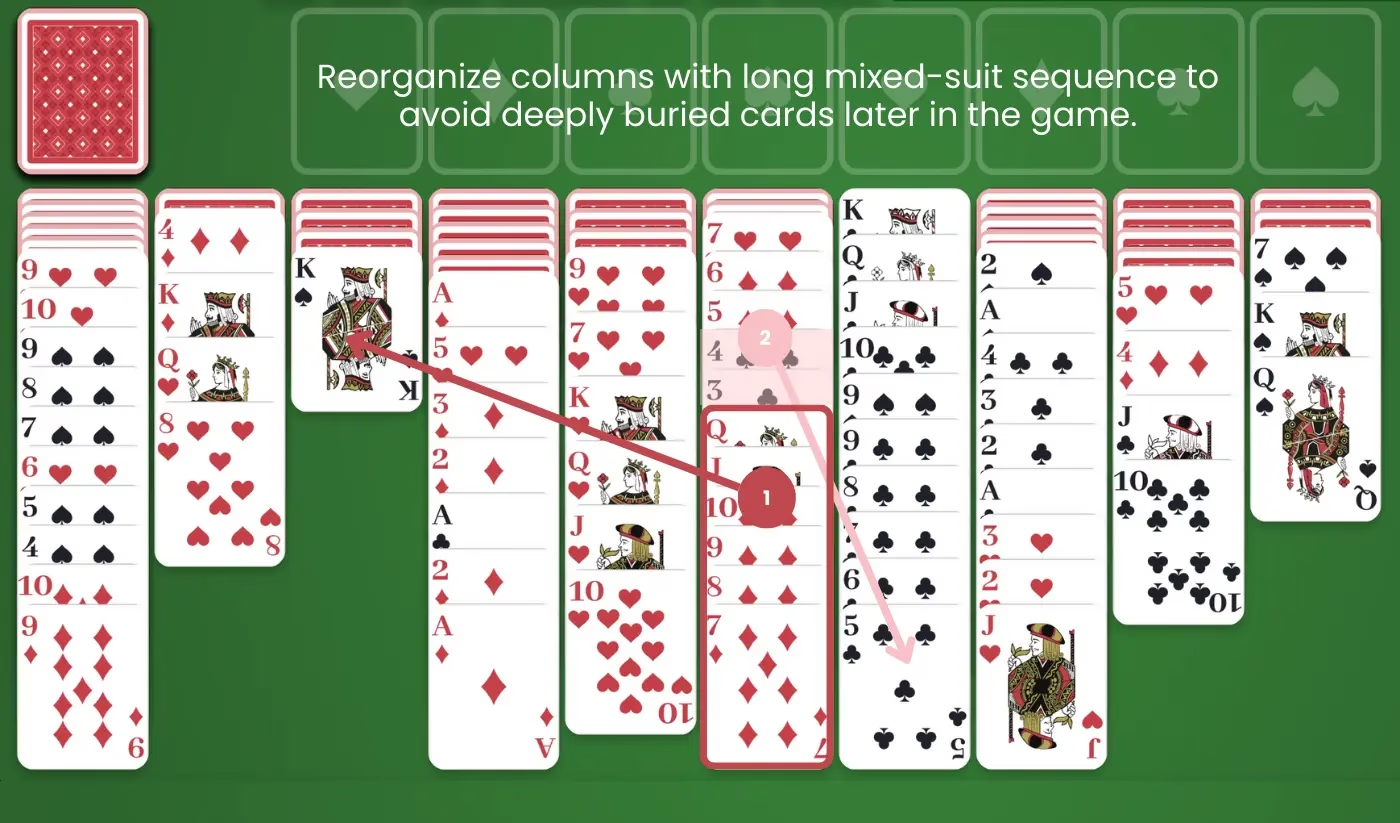
Example: There are multiple mixed-suit sequences in each column, so look for opportunities to free cards for same-suit sequences. You can move the Q♦-J♦-10♦-9♦-8♦-7♦ sequence onto the K♠ to free the 4♣-3♣ for the 5♣, which lets you clean up other rows, free the 2♣-A♣, and send a club sequence to its foundation pile.
Advanced Strategies: Master Expert-Level Play
These final Spider Solitaire tips permanently shape your tableau structure. They trade short-term freedom for long-term organization, requiring careful judgment about when the trade-off is worthwhile.
9. Assign Columns Specific Roles
Mental organization becomes crucial in complex games. Assign informal “roles” to different columns: designate one as your dumping ground for mixed sequences, another as your primary same-suit builder, and a third as temporary storage. This systematic approach reduces mistakes in late-game situations where you’re managing multiple complex sequences.
Role assignment also helps you resist the temptation to spread problems randomly across your tableau. When you know which column serves as your “messy” area, you can contain disorder while keeping other columns clean for productive building.
When to use this strategy: Establish column roles early in 2-Suit and 4-Suit games where mixed sequences are inevitable. Stick to your assignments unless a major breakthrough requires reorganization.
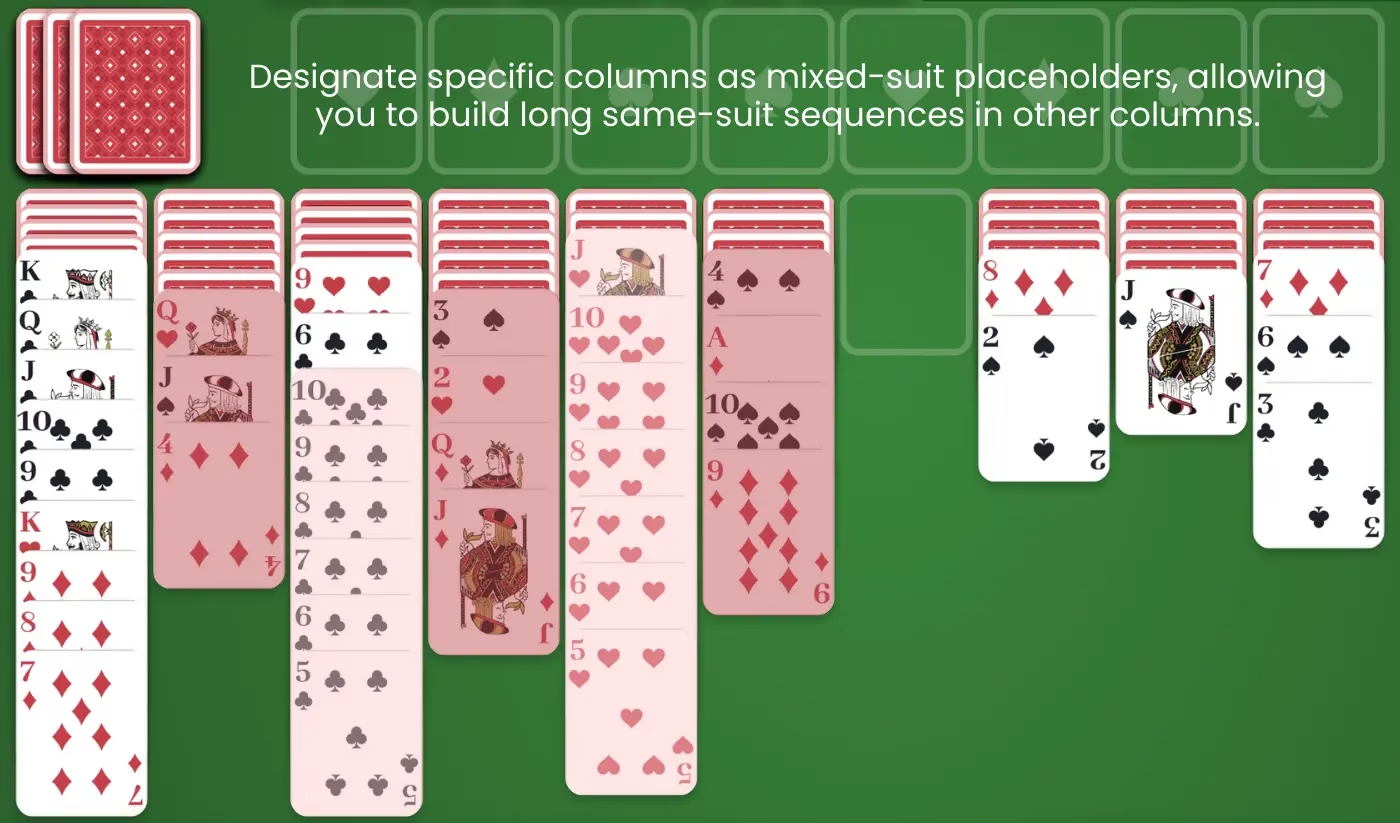
Example: In this 4-Suit example, Column 3 and Column 5 are used to build long sequences, while Columns 2, 4, and 6 are mixed-suit placeholders. With the empty column available, you are still able to maneuver, while focusing on building as many same-suit sequences as possible.
10. Strategically Manage Your Kings and Aces
Kings require careful handling because they can only be placed in empty columns. A poorly placed King can permanently block facedown cards, freeze an entire column, and waste valuable empty spaces.
Every King move should serve a clear purpose such as starting a same-suit descending order sequence, allowing two same-suit sequences to merge, or freeing facedown cards needed to advance the game. Always weigh the pros and cons of moving a King to a valuable empty column.
Aces deserve similar caution. Revealing an Ace too early can clog a column if you can’t complete the full same-suit sequence above it. An isolated Ace limits flexibility and reduces your ability to maneuver cards elsewhere.
When to use this strategy: Evaluate every King and Ace move carefully, weighing both immediate gains and long-term impact. Avoid moving Kings or uncovering Aces simply because you can. Wait until the move supports your overall plan.
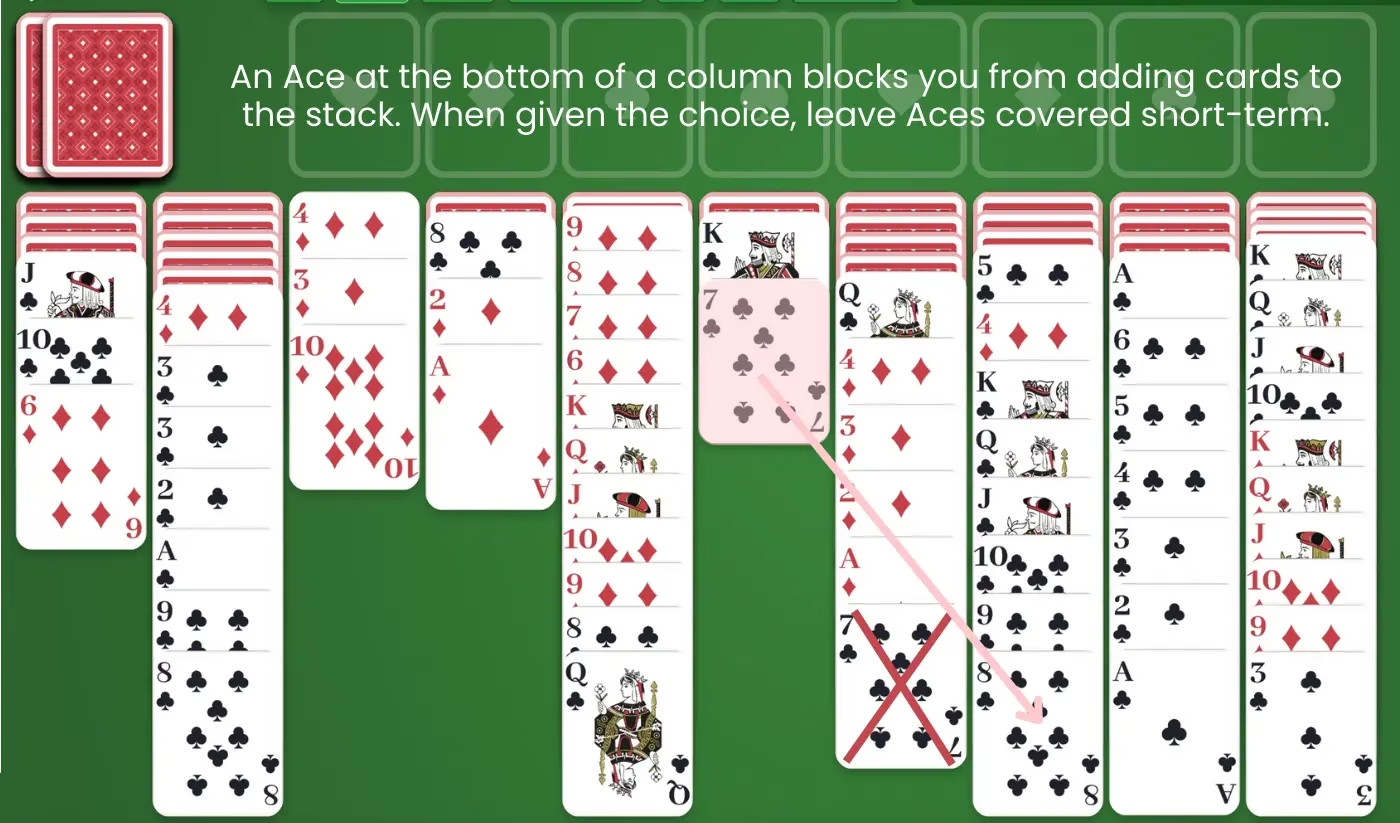
Example: There is a 7♣ on a K♣ and an A♦. While there are two 8♣ available, moving the 7♣ in Column 7 leaves you with an exposed Ace, which you can’t add to. Leave the second 7 in the short-term and instead free the K♣, move the Q♣ on the K♣, and free the J♣-10♣ and 9♣-8♣ to create a long sequence.
Put These Spider Solitaire Strategies Into Practice
Start with the beginner strategies, then layer in intermediate and advanced techniques as you move into 2-Suit and 4-Suit Spider Solitaire. You don’t need to use everything at once. Focus on one or two ideas, get comfortable with them, use the undo button as needed, and let the rest come naturally. Practicing on SolitaireStreak’s winnable deals is a great way to build confidence without the frustration of truly unwinnable games and learn to increase your win rate!